
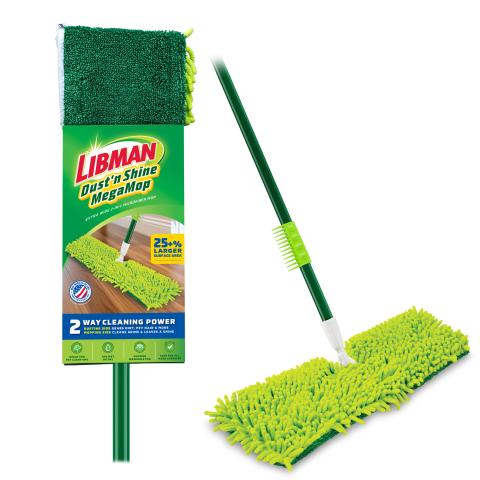
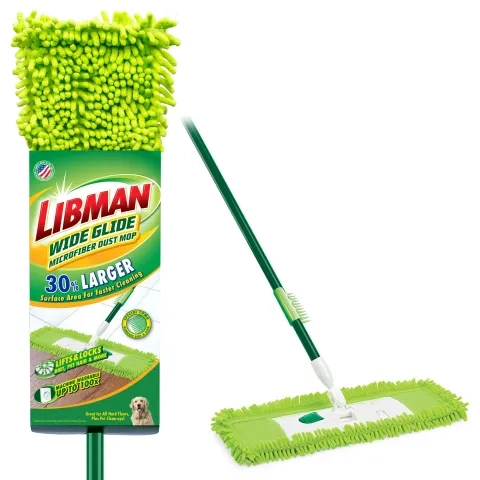
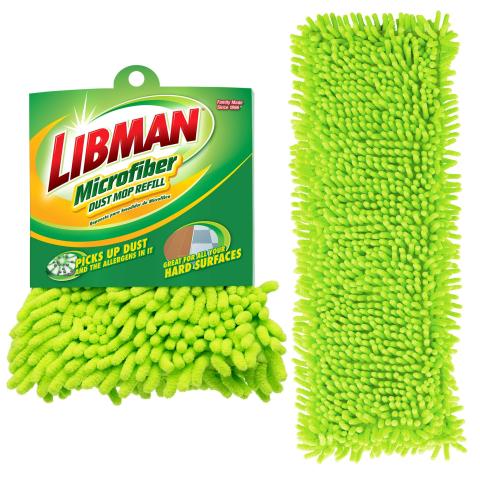
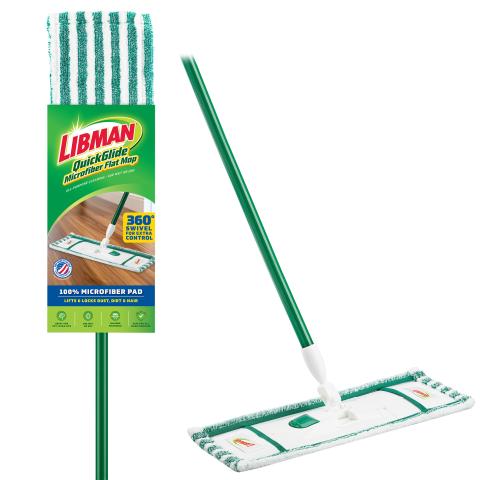
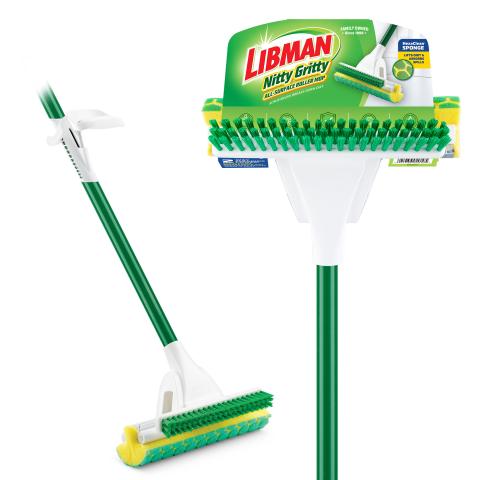
Every floor needs a different mop. Hardwood requires fine microfiber and a tight wring to protect the wood, while tile needs a wetter mop to deeply clean the grout lines. A kitchen with daily spills wants a spray mop kept by the sink. The mops below cover every floor type and every household task, with machine-washable heads, replacement refills available for each system, and the dependable build the Libman family has been known for since 1896. Built to clean. Made to last.
How to choose the best mop for your floors
When choosing the best mop, match the material to your floor type and the wringer style to your routine. Microfiber heads work best on hardwood and laminate. Sponge mops suit kitchens and bathrooms. Spin mop systems with included buckets are the right choice for households cleaning multiple rooms in one session. Meanwhile, for quick, convenient cleanups and daily touch-ups without the hassle of a bucket, an all-in-one spray mop is your best bet.
For sealed hardwood, laminate, and most everyday cleaning, a microfiber Wonder® Mop with a built-in power wringer is the right starting point. The exclusive GRIPSTRIPS™ microfiber strips lift up to 20% more dirt than a standard mop head, and the head machine-washes up to 50 times.
For tile, stone, and high-traffic floors, a spin mop system like the Tornado Spin Mop® or Lightning Spin Mop™ pairs a large absorbent microfiber head with a hands-free wringer bucket. The included bucket and mop combo is built for whole-house cleaning in one pass.
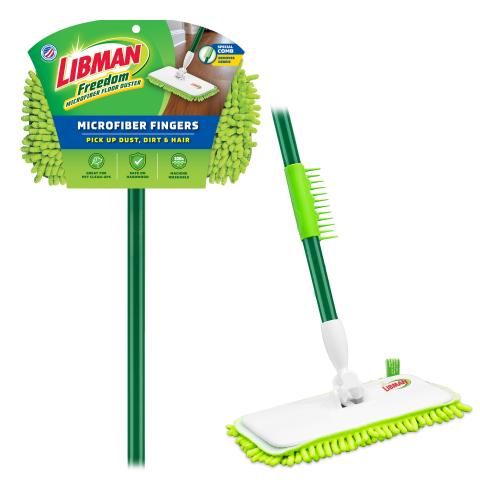
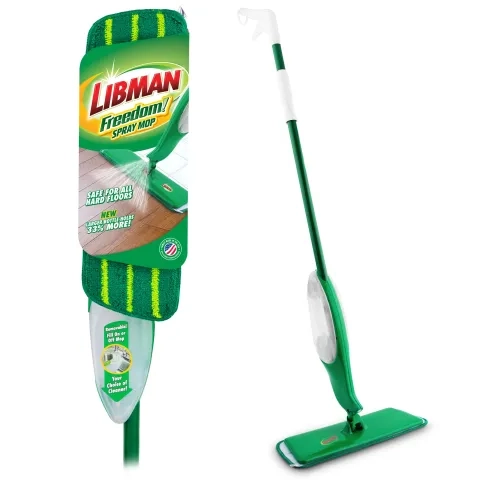
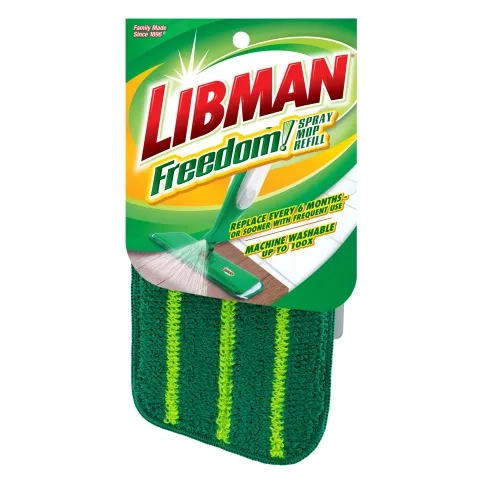
For quick cleanups, spills, and daily spot mopping, a Freedom® Spray Mop uses a refillable bottle and trigger. No bucket required, and the dual-sided microfiber pad covers both wet mopping and dry dusting.
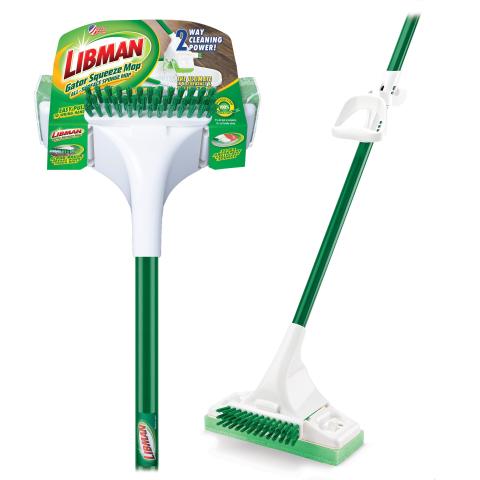
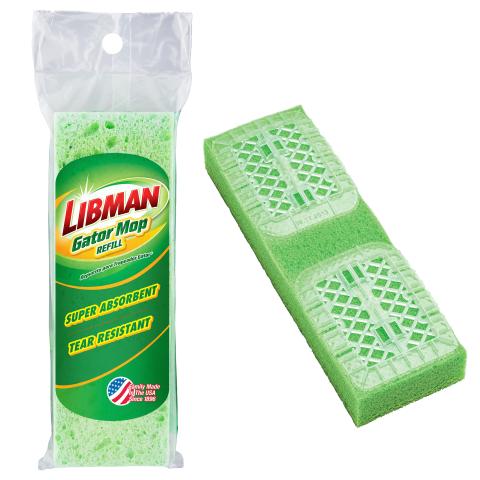
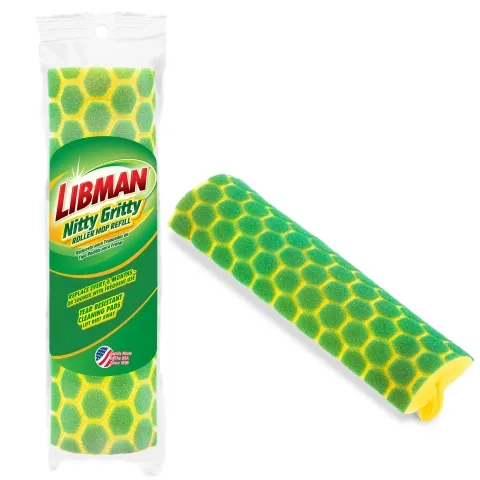
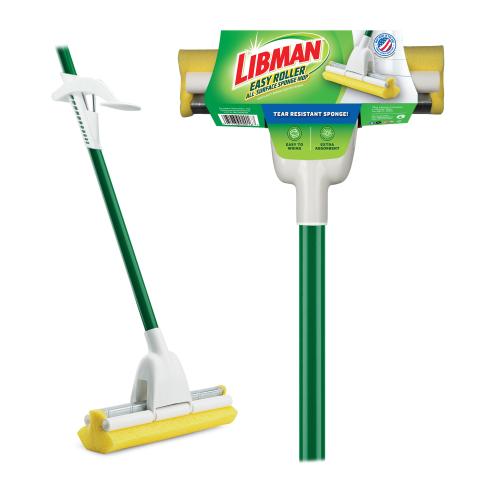
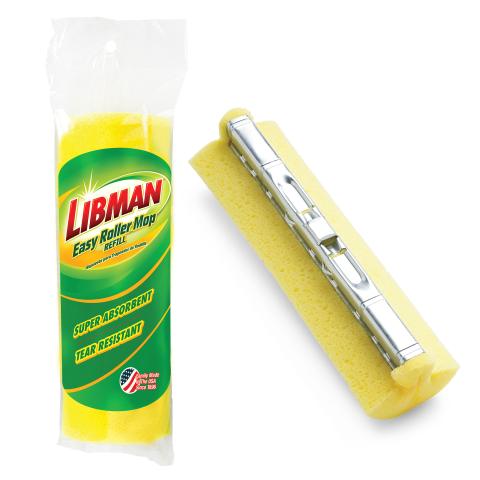
For vinyl, linoleum, and deep scrubbing in high-mess areas like kitchens and bathrooms, a heavy-duty sponge mop like the Nitty Gritty® Roller Mop or Gator Mop® is the ultimate worker. The ultra-absorbent, tear-resistant sponge lifts stuck-on messes and drinks up spills instantly, while an integrated, rigid scrub brush breaks down tough dirt and grout lines. An easy-to-pull wringer handle completely squeezes out dirty water so your hands never have to touch it.
What features should you look for when buying a mop?
The most important features to look for when buying a mop are a machine-washable head that saves money over time, a built-in wringer to control water on the floor, the right head material for your floor type, replacement refills available for the system, and a steel handle long enough for upright use.
Most Libman® mops are designed around these features by default. Microfiber heads on the Wonder® Mop, Microfiber Tornado Mop™, and Freedom® Spray Mop are all machine-washable up to 50 times. Built-in wringers (power-wringer cup, Grip 'n Click ratchet, or spin bucket) come standard across the product line. Replacement mop heads and refills are sold separately for every major system.
Which mop is best for hardwood, tile, and laminate?
To protect your floors, you need to match your mop to the material. Hardwood is vulnerable to warping from standing water, making a flat microfiber mop or a specialized spray mop the safest choice for trapping dirt with minimal moisture. Tile is highly durable, but requires a wetter spin mop that can reach deep into porous grout lines to lift trapped grime. Laminate planks will irreversibly bubble if water seeps into their seams, so the best option is a barely damp microfiber spray mop with a trigger bottle to guarantee a streak-free, instantly dry finish.
Hardwood and laminate floors need a mop that controls moisture. Microfiber heads with a tight wringer leave the floor only lightly damp and dry within minutes. The Wonder® Mop, Heavy Duty Wonder® Mop, and Freedom® Spray Mop all fit this need. Avoid sponge mops on unsealed hardwood, since the higher water volume can damage the finish over time.
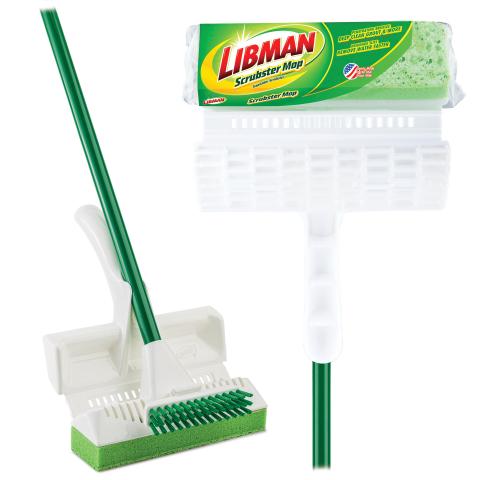
Tile, stone, and ceramic floors handle more water. Spin mops, roller mops, and wet mops all work well. The Tornado Spin Mop® and Nitty Gritty® Roller Mop hold more water and include an attached scrub brush for grout and stuck-on messes. The Scrubster™ Mop is built specifically for tile and grout cleaning.
Are microfiber mops worth the money?
Microfiber mops are worth the money for most households. The split synthetic fibers capture far more fine dust and pet hair than cotton or sponge heads. Machine-washable heads make microfiber mops more economical over time, and most Libman® microfiber mop heads can be washed up to 50 times before needing replacement.
The math favors microfiber. A single Wonder® Mop refill, washed weekly, replaces dozens of disposable cleaning pads. The full microfiber lineup, including the Microfiber Tornado Mop™, the Wide Glide Microfiber Dust Mop, and the QuickGlide™ Microfiber Flat Mop, all use machine-washable heads with refills available separately.
Built to Clean. Made to Last.
Family-owned since 1896, Libman® has been manufacturing brooms, mops, and cleaning tools in Arcola, Illinois, for over 130 years. Most products are made in the USA with US and globally sourced materials, with replaceable heads and refills available across the line.
Frequently Asked Questions
What is the best mop to buy?
The best mop to buy depends on your floors and your routine. For most homes, a microfiber Wonder® Mop with a built-in power wringer covers everyday cleaning across hardwood, tile, vinyl, and laminate. For larger floors and faster cleaning, a Tornado Spin Mop® system with an included bucket is a stronger choice.
Which mop is best for hardwood floors?
A microfiber mop with a tight wringer is the best mop for hardwood floors. The fine fibers capture dust without scratching, and the wringer keeps standing water off the finish. The Wonder® Mop and the Freedom® Spray Mop are both built for sealed hardwood and laminate.
Are Libman® mops machine washable?
Yes. Most Libman® microfiber mop heads are machine-washable up to 50 times. The Wonder® Mop GRIPSTRIPS™ head, Microfiber Tornado Mop™ head, and Freedom® Spray Mop pads are all designed to be removed, washed, and reinstalled to extend mop life.
What is the difference between the Wonder® Mop and the Tornado® Mop?
The Wonder® Mop uses a power-wringer cup and microfiber GRIPSTRIPS™ that lift dirt off the floor. The Tornado® Mop uses a Grip 'n Click ratchet wringer that twists water out of a larger absorbent head. The Wonder® Mop is built for daily cleaning. The Tornado Mop holds more water for bigger jobs.
Do Libman® mops come with replacement heads?
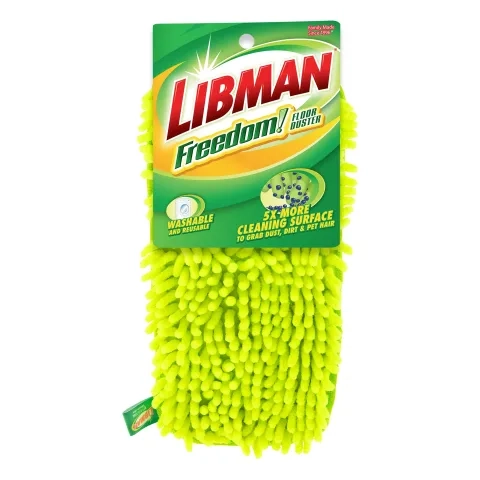
Yes. Every major Libman® mop system has refills available, including Wonder® Mop Refills, Tornado Twist Mop™ Refills, Freedom® Spray Mop Refills, Nitty Gritty® Roller Mop Refills, and Microfiber Dust Mop Refills. Replacement heads extend the life of the mop and reduce waste compared to disposable-pad systems.
Is a spin mop worth the price?
A spin mop is worth the price for households cleaning multiple rooms or larger floors. The spinning wringer is faster than a manual squeeze and keeps your hands out of dirty water. The Tornado Spin Mop® and Lightning Spin Mop™ systems include both the bucket and the mop in one purchase.
Do you sell mop and bucket sets?
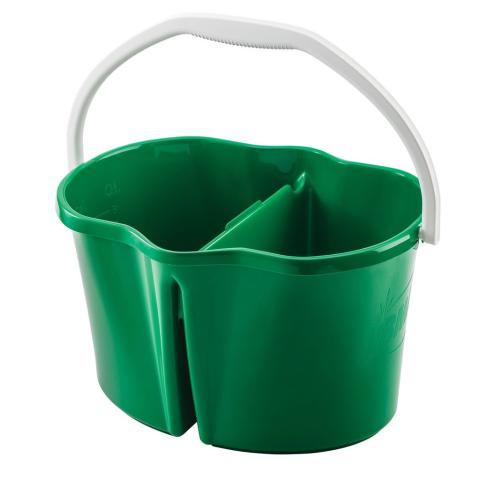
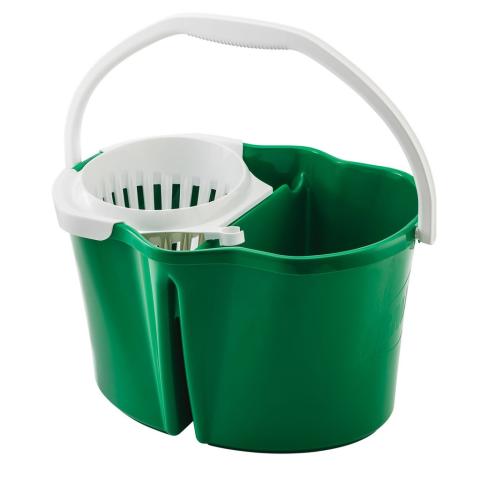
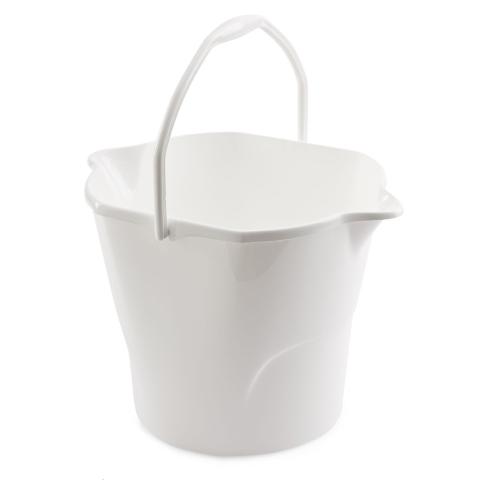
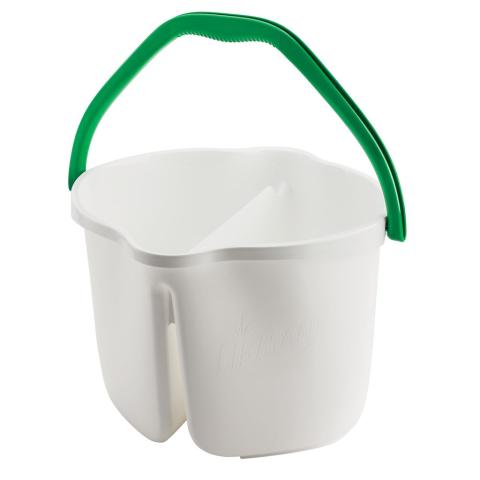
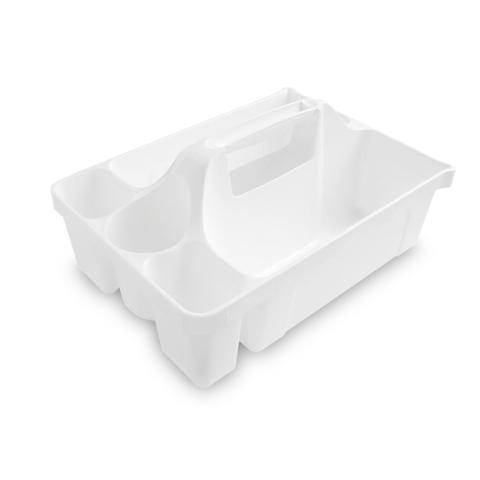
Yes. Spin mop systems, roller mop systems, and microfiber mop systems all include a matching bucket. Wet mops and Wonder® Mops can also be paired with separate buckets from the Mop Buckets sub-collection, including the All-Purpose Bucket and the 4-Gallon Clean & Rinse Bucket with Wringer.
Sub-Category Quick-Links
Wonder® Mops | Tornado® Mops | Spin Mops | Spray Mops | Wet Mops | Sponge Mops | Dust Mops | Mop Refills | Mop Buckets